
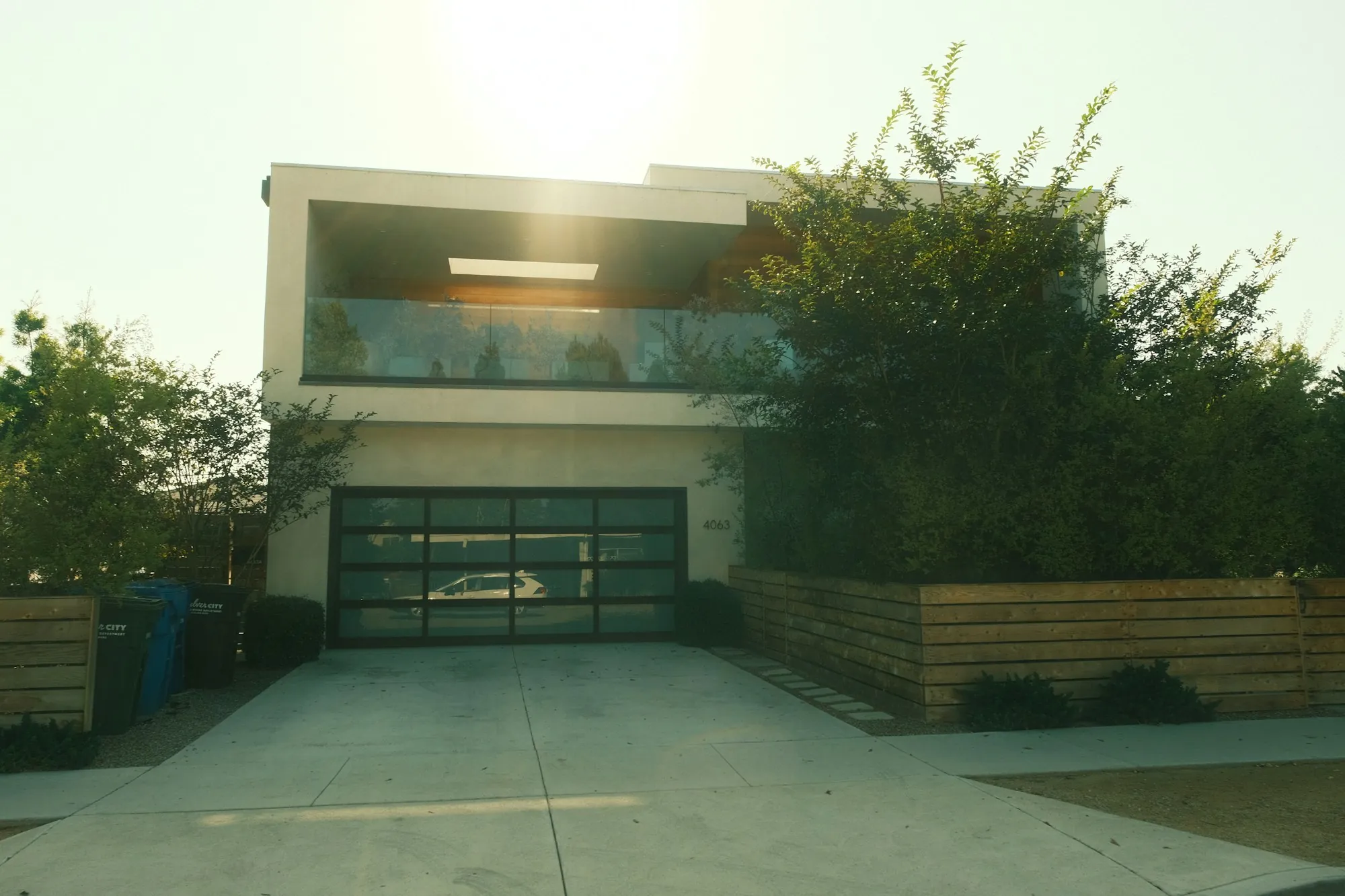
Robbins, Illinois
Concrete Contractor in Robbins, IL for Foundations Poured to the Drawings
Footings, foundation walls, driveways and patios for homes in Robbins, Midlothian, Blue Island and Alsip, set to the dimensions on your plans so the inspector signs off and the framers start on time.
Checked on every pour
Dimensions off the plans
Forms are measured against your drawings, corner to corner, before a truck is ordered.
Depth below frost
Footings dug to the depth the code calls for, so winter heave stays under the slab, not in it.
A compacted base
Stone placed and packed in lifts, never dumped and leveled with a rake.
Joints laid out first
Control joint spacing marked on paper before the finishers step onto the pour.
A swept yard
Forms pulled, spoils hauled and the street rinsed before anyone climbs back in the truck.
What the Crew Pours Around Robbins
Most calls start with one job and turn into two: a garage foundation that needs an apron, a patio that should tie into a new walk. Here is the full list, so you can see what fits your project before we talk numbers.
Concrete Flatwork
Slabs, pads, aprons and other at-grade concrete, formed square and pitched so water leaves instead of pooling. Old concrete is broken out and hauled when the job is a replacement.
Concrete Foundations
Footings, poured walls and slabs for room additions, detached garages and porches. Every dimension comes off your drawings, and the forms are ready when the inspector arrives.
Stamped Concrete
Slate, flagstone and ashlar patterns pressed into fresh concrete, with color and a finishing sealer so the surface reads like stone without the loose joints.
Concrete Walkways & Sidewalks
Entry walks, gate paths and the public walk in front of the house, sized to the traffic they carry and sloped so they shed rain away from the foundation.
Concrete Patios
Backyard patios laid out for the table and grill you actually own, pitched away from the house so a storm drains into the lawn and not toward the basement.
Concrete Driveways
Tear-out and replacement driveways built on compacted stone at a thickness meant for cars, with reinforcement where tires turn and the apron meets the street.
Commercial Concrete
Storefront walks, trash enclosure pads, machinery slabs and general flatwork for owners and managers who need the work timed around tenants and customers.
Four Steps From Plans to a Finished Pour
Talk through the drawings
You tell us what you are building, the size and what is in the ground now. If you have plans or a survey, have them handy. We cover thickness, access and timing on that first call.
Measure on site and price in writing
The foreman walks the lot, shoots grades and checks where water runs. You then get a written price that lists depth, base, reinforcement, finish and any tear-out, line by line.
Dig, form and pass the inspection
Excavation goes to the right depth, stone is compacted and forms are set to grade and checked against the plans. On foundation work the forms and steel are ready before the inspector comes out.
Pour, finish, cure and clean
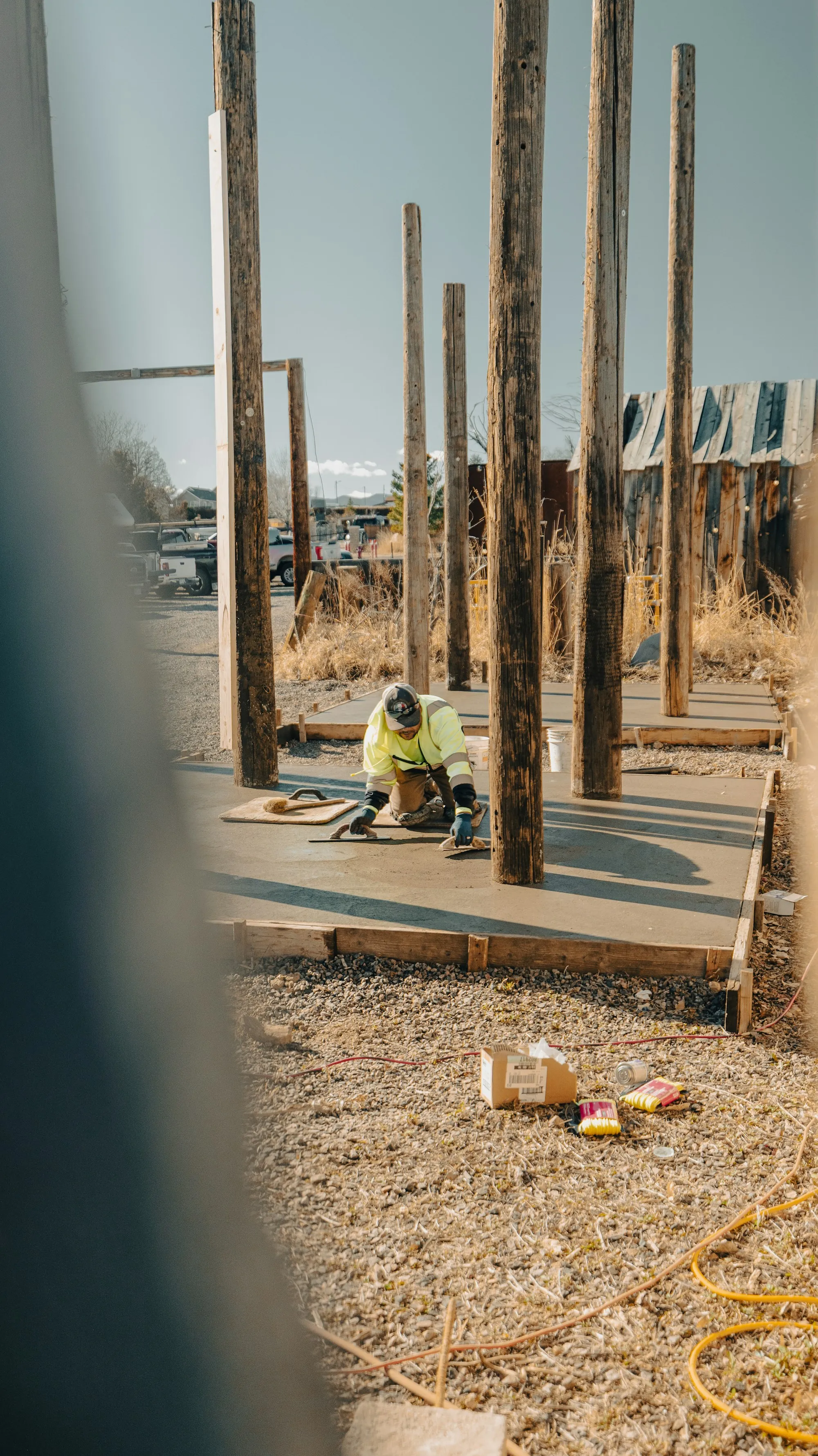
The truck discharges, the finishers work the surface and cut the joints, and the slab is covered while it gains strength. Forms come out, debris leaves on our truck and the yard is raked back before we call the job done.
Why Homeowners and Managers Hire This Crew
Concrete is unforgiving. Once it sets, mistakes in depth, base or layout are there for good. So we run every job the same careful way, and we have done it that way since 2017.
Houses and businesses, same standards
One week it is a front walk on a quiet block, the next it is a run of sidewalk outside a storefront. The crew, the base work and the inspection-ready forms are the same on both.
A price written out in full
Before anything is dug, you have a written quote that names slab thickness, stone depth, steel, surface finish and hauling of the old slab. If it is not on the page, it is not a surprise later.
A start date that holds
You get a date, and one crew lead who calls back when you ring. When a storm forces a new pour date, he rings you a day ahead with the revised plan.
Thickness matched to the load
A patio, a driveway and a garage foundation each carry different weight. Slabs are sized for what will sit on them, with rebar or mesh placed where it does the most good.
Pouring since 2017
We have been forming and finishing concrete since 2017, long enough to know which shortcuts show up as cracks a winter or two later.
Pouring in Robbins and the Neighboring Towns
Robbins sits in the south suburbs between Midlothian and Blue Island, with Alsip and the Tri-State to the north and the Cal-Sag Channel running just above town. The blocks here mix older bungalows, newer infill homes and small commercial lots, and a lot of the ground is heavy clay that stays soggy into spring. Base depth and drainage therefore get as much thought here as the surface finish. From Robbins we pour across Crestwood, Posen, Merrionette Park, Calumet Park, Oak Forest, Harvey and Evergreen Park.
Clay ground, deeper base
Soil that stays wet in spring needs more stone under the slab and a clear path for water. We dig for what the ground is, not what is quickest.
Old slabs out first
Many jobs here replace a driveway or walk poured long ago. Tear-out, hauling and a fresh base come before any new concrete goes down.
Same crew, any nearby town
Midlothian, Alsip or Harvey, the foreman who answers (708) 726-9329 is the one who runs your pour.
Towns we pour in
- RobbinsKedzie AvenueHome base
- Midlothian147th Street
- PosenSoutheast of Robbins
- Blue IslandWestern Avenue
- CrestwoodCicero Avenue
- Merrionette Park115th Street
- AlsipCicero Avenue & I-294
- Calumet ParkEast of Blue Island
- Oak Forest159th Street
- HarveySibley Boulevard
- Evergreen Park95th Street
Building somewhere else in southern Cook County? Ask on the call. If the drive makes sense, we will measure it.
Check whether your block is in range: (708) 726-9329Have Plans for an Addition or Garage?
A foundation that is off by an inch causes trouble for every trade that follows. Read us the dimensions and the foreman will explain what it takes to pour it right and pass inspection.
Talk through your foundation plans: (708) 726-9329Bring your drawings or just the rough size.
What Robbins Homeowners Ask Before a Pour
Straight answers to the questions the foreman hears most on the first call.
Will my project need a building permit?
Foundations for additions and garages almost always do, and many towns also want one for a new driveway or a patio that changes drainage. Rules differ between Robbins and its neighbors, so we check what your village requires before we price the job. Inspections are planned into the schedule so nothing is poured before it is approved.
Does fresh concrete need a sealer, and how often after that?
Stamped concrete gets a sealer as the last step of finishing, because it protects the color and sharpens the pattern. That coat usually needs refreshing every few years as it wears. Plain broom-finished slabs depend mostly on the right mix, a good finish and proper curing, and we can talk through upkeep for your slab on the call.
Is a stamped patio slick when it rains?
It can be slicker than a broom finish, mainly because of the glossy sealer on top. We can add a fine grit to the sealer and steer you toward patterns with more texture, which gives shoes better grip. On a walkway to the door, plain broomed concrete still gives the surest footing.
How do I look after stamped concrete once it is done?
A broom and a garden hose handle most of it; wipe up oil and spills before they soak in. Avoid metal shovel blades and rock salt in winter; sand or a gentler deicer is kinder to the surface. Recoat the sealer every few years so the tone stays deep.
Who gets rid of the old concrete?
We do. On a replacement job, breaking out the old slab, loading it and hauling it away are part of the written price. The base underneath is then checked and rebuilt before anything new is formed.
Can new concrete be tinted a color?
Yes. Color can be mixed into the concrete itself or worked into the surface, and stamped work often uses a second accent tone to bring out the pattern. We bring samples so you can see the shades against your siding and brick before choosing.
Can you still pour once it gets cold?
Yes, within limits. Concrete must not freeze while it is still young, so cold weather pours use blankets, a mix suited to the temperature and careful timing. If a deep freeze is in the forecast, we would rather move the date than risk a weak surface.
How long does a job take from tear-out to finished slab?
Most driveways, patios and walks take a few days of work on site, plus curing time before heavy use. Foundations add a day or two for the inspection between forming and pouring. You get a realistic timeline in writing with your price.
Why does concrete crack, and can it be prevented?
As concrete dries it shrinks a little, and every season it swells and contracts, so some cracking comes with the material. What you can control is where it happens and how wide it gets: a compacted base, the right thickness, reinforcement and control joints cut at the right spacing. Those steps keep cracks thin and inside the joints instead of wandering across the slab.
What goes underneath a new slab?
A layer of crushed stone, compacted in passes over firm, undisturbed soil. Its depth depends on the use and the ground, and heavy clay usually calls for more. A solid, well-drained base is the biggest single reason a slab stays flat for the long haul.
A Foreman Who Reads the Plans Before He Digs
Robbins Concrete Contractor was built around a simple idea: measure twice, form once, and never pour on a guess. That means a written price with every layer spelled out, forms checked against the drawings and a crew lead you can reach. Foundations, driveways, patios and storefront sidewalks all get that same attention.
See how the crew works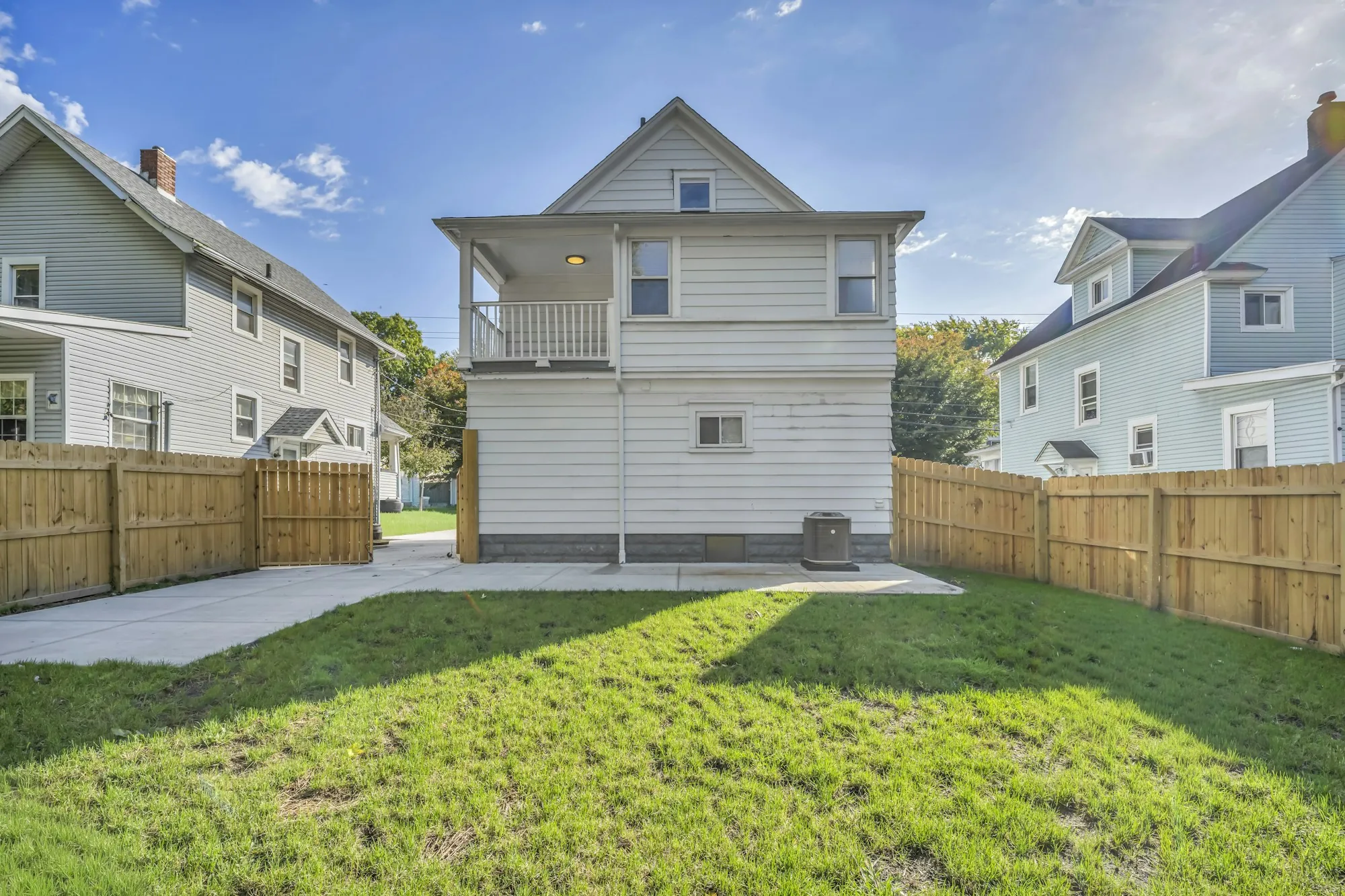

Get Your Pour Measured and Priced
Tell us what you are building and where. We will cover depth, base and timing on the phone and pick a day for the foreman to measure.
Pouring in Robbins and nearby southern Cook County towns.